
Downlight Types Explained
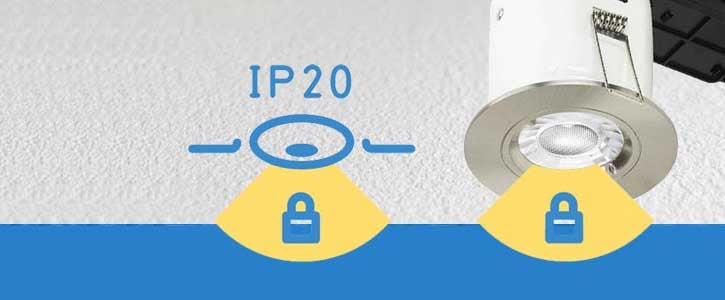
Recessed downlights are available in various shapes, sizes, finishes and brightness’s. They’re also available in different types such as fixed, adjustable and bathroom (IP65), highlighting the wide range of types of downlight to suit different needs. It is important to choose the right type of downlight to meet the demands of your project or application. Downlights are a type of light fitting designed for installation in ceilings. Before integrated LEDs came along, GU10 downlights were available in fixed, adjustable and bathroom versions. Modern downlights, especially those with integrated LEDs, are much more energy efficient than older halogen or incandescent types.
Standard fixed downlight versions have no resistance to dust or water and have an IP rating of IP20. Adjustable also mainly have an IP20. Bathroom versions are IP65 rated which means they’re water and dust resistant. A fire rated downlight is designed to maintain the fire-resistance of a ceiling, helping to slow the spread of fire and comply with safety standards. Integrated LED downlights are available in many other variations. They’re usually IP65 rated as standard, manufacturers don’t bother producing a fixed IP20 version as there is no cost saving by having 2 different types. An IP65 rated downlight has an additional seal making it a more universal specification. The main difference between fire rated and non-fire rated downlights is that fire rated downlights are specifically constructed to contain flames and prevent fire from spreading through ceiling cutouts. Downlights are designed to sit flush with the ceiling, providing a seamless and neat finish.
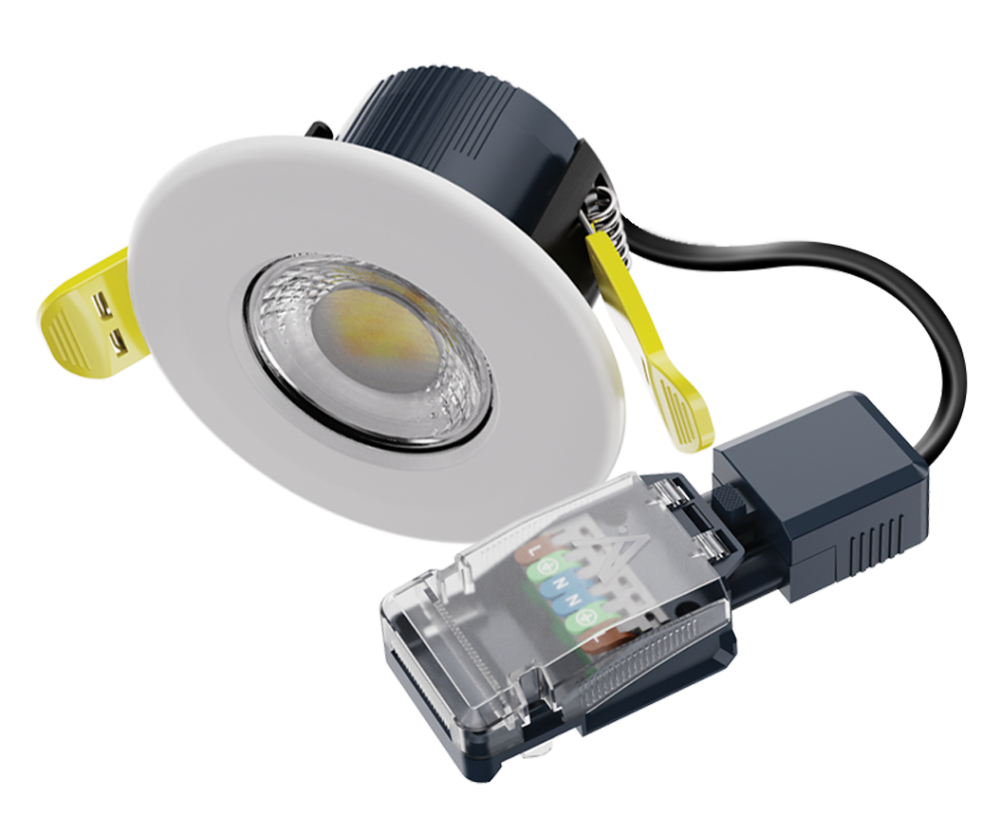
If you can’t install a recessed downlight due to height restrictions you could consider fitting a surface mounted versions or a spotlight.
Introduction to Downlights
Downlights are a versatile and modern lighting solution that have become increasingly popular in both residential and commercial settings. Installed directly into the ceiling, these light fixtures—often referred to as recessed downlights, can lights, or canister lights—offer a clean, streamlined look that complements a wide range of interior styles. Downlights are available in several different types, including recessed downlights, surface-mounted options, and even pendant variations, making them suitable for living rooms, kitchens, bathrooms, and more.
One of the key advantages of downlights is their energy efficiency, especially with the rise of LED technology in the lighting industry. LED downlights not only consume less energy but also have a longer lifespan compared to traditional lighting products. They are available in a variety of colour temperatures, allowing you to create the perfect ambiance for any room—whether you want a warm, cozy feel in the living room or a bright, invigorating light in the kitchen or bathroom. With their durability, versatility, and ability to be installed in different types of ceilings, downlights continue to be a top choice for those seeking effective and stylish lighting solutions.
IP Ratings Explained
The IP code in brackets stands for Ingress Protection, details . The IEC (International Electrotechnical Commission) standard 60529 or EN 60529 for Europe is a measurement of a products resistant to water and dust.
The first digit is for it's resistant to dust and the second digit shows its resistant to water, we have more information about IP ratings and bathroom zones. In short IP20 means it's touch proof and IP44 means it's resistant to water and dust. Anything above IP44 can be used in bathroom zones 1 and 2 which includes mounting them directly above a shower. Although many electrical contractors prefer installing downlights with an IP65 rating for added protection.
Fire Rated Downlights
Fire rated downlights are specifically engineered to enhance fire safety in buildings by preventing the spread of fire through ceiling cutouts. These downlights are constructed with a special coating that expands when exposed to high temperatures, effectively sealing the hole in the ceiling and helping to contain fire and smoke. This added protection is especially important in commercial spaces, multi-story buildings, and areas where fire safety is a top priority.
Available in a range of different types—including both recessed and surface-mounted options—fire rated downlights can be installed in various ceiling materials, such as plasterboard and concrete. When selecting fire rated downlights, it’s important to consider the required level of fire resistance, the type of ceiling, and the presence of insulation. By choosing fire rated downlights, you not only comply with building regulations but also provide an essential layer of safety for occupants, making them a crucial component in any comprehensive fire safety strategy.
Non Fire Rated Options
Non fire rated downlights are a more basic option that do not include the additional fire protection features found in fire rated downlights. While they are often more affordable and suitable for areas with low fire risk—such as certain residential rooms or small offices—it’s important to be aware of their limitations. Non fire rated downlights may not meet building regulations in all situations, particularly in spaces where fire safety is a concern or where ceilings act as a barrier between floors.
Despite these considerations, non fire rated downlights can still offer a range of benefits, including energy efficiency, durability, and a wide selection of styles to suit different spaces. They are suitable for installation in areas where fire risk is minimal and where compliance with fire safety standards is not a strict requirement. When choosing between fire rated and non fire rated downlights, always assess the specific needs of your space, the type of ceiling, and any relevant building regulations to ensure you select the most appropriate lighting solution.
Colour Temperature
Colour temperature plays a significant role in the overall feel and functionality of a room, making it an important factor when choosing downlights. Measured in Kelvin (K), colour temperature determines whether the light emitted is warm and inviting or cool and energizing. For example, extra warm white (typically 2700K) is ideal for living rooms and bedrooms, creating a cozy and relaxing atmosphere. In contrast, cool white (around 4000K-5000K) is often preferred in kitchens and bathrooms, where a brighter, more invigorating light is needed for tasks and visibility.
LED downlights are available in a wide range of colour temperatures, allowing you to tailor the lighting to the specific needs of each space. Whether you’re looking to create a welcoming ambiance in a lounge or need crisp, clear light for food preparation in the kitchen, selecting the right colour temperature is key. When choosing downlights, consider the function of the room and the mood you want to create, ensuring your lighting enhances both comfort and practicality.
Beam Angle
The beam angle of a downlight determines how wide or narrow the light is spread from the fixture, directly impacting the lighting effect in your space. A narrow beam angle (less than 30°) produces a focused, intense light that is perfect for task lighting or accent lighting, such as highlighting artwork or architectural details. On the other hand, a wide beam angle (over 60°) offers a softer, more diffuse light, making it ideal for ambient lighting and general illumination throughout a room.
Adjustable downlights provide even greater flexibility, allowing you to direct the light exactly where it’s needed and to adapt the beam angle for different tasks or activities. When choosing downlights, it’s important to consider the desired lighting effect, the size of the space, and the specific areas you want to illuminate. By selecting the right beam angle, you can achieve the perfect balance of brightness and coverage, ensuring your lighting solution meets both functional and aesthetic needs.
The Main Downlight Types
Fixed IP20 Downlights
The most basic and by far the most popular of GU10 downlight types, fixed downlights emit light in a downward direction. Fixed downlights point the light directly down. They are the cheapest and have the smallest diameter. Designed to meet the demands of the majority of room types such as lounges, bedrooms and kitchens, fixed downlights typically have a wider beam angle, making them suitable for illuminating larger areas.
The areas beam angle affects how the light spreads in different rooms, with wider angles providing more ambient coverage and narrower angles offering focused illumination. When planning the placement of these downlights, ceiling height should be considered to ensure even light distribution—dividing the ceiling height by two can help determine optimal spacing. Room size also impacts how many downlights are needed, as larger rooms generally require more fixtures for adequate illumination. It's important to determine how much light is required for a space, as this influences both the number and placement of downlights to achieve optimal brightness without waste.
Additionally, consider how much power each downlight uses; remember that wattage indicates energy consumption, while brightness is measured in lumens. Kitchen downlights don’t have to be IP rated as they pose no threat to water ingress. They can technically be used in certain areas of bathrooms but we recommend using downlights with a minimum rating of IP44 throughout mainly so they all match.

IP65 Bathroom Downlights
Mainly used in bathrooms; IP65 downlights can also be used anywhere. Many lighting manufacturers only offer their integrated LED downlights in IP65. They are fitted with a water and dust resistant seal. This means they don't need to offer as many different types of downlights when just one will do for the majority of room types. Which makes it easier for stockists like us to stock less models.
Adjustable (IP20)
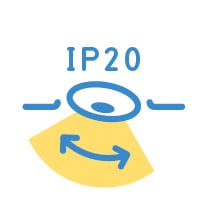
Adjustable downlights allow you to direct the light into a different direction other than directly down. They are able to adjust by an angle of 20 to 40 degrees but it varies between brands. You may want to direct the light onto a cupboard or illuminate specific objects such as artwork, sculptures, or architectural features, or highlight a particular painting.
Adjustable downlights cost more, considerably more with integrated LED downlights and they usually have slightly larger cut out sizes. Another application for adjustable downlights is when you have a sloped ceiling, if you angle the downlight, it off-sets the sloping ceiling and shines the light directly directly downwards.
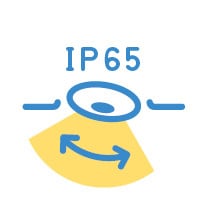
Adjustable IP65 Downlights
This is a combination of a bathroom downlight and an adjustable downlight all in one. There aren't too many of these available but we offer a few including a non fire rated GU10 version. We also offer an integrated version called the H4 Lite from Collingwood Lighting which is both fully adjustable and IP65 rated, meaning it's suitable for use in bathroom installations. You can use our filters to locate downlights to meet your exact specifications.
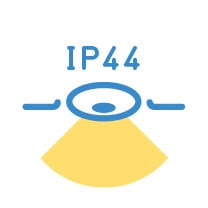
Outdoor (IP44)
Our outdoor downlights with a GU10 socket are rated at IP44 which is water resistant enough to be used in fascia's and soffits etc. As long as you don't plan to power wash them they will be perfectly fine for years to come. Your main concern when choosing outdoor downlights should be the material or finish. If you install a normal downlight outside where its exposed to the elements, the finish will deteriorate and rust. We also have outdoor integrated LED downlights that are IP65 rated from the front and back with the Collingwood H2 Pro Extreme
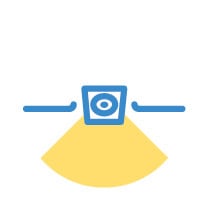
Square Downlights
If you're looking for something a little bit different and want to create a different feel for your room, then square downlights offer something a little bit extra. We have non fire rated square downlights from the Forum Pasto series and a new square fire rated version from the Integral EvoFire series. Some integrated LED downlights are also available in square, such as the Collingwood H2 Pro with its https://www.downlights.co.uk/halers-h2-pro-square-bezel.html

Twin Downlights
Twin downlights are rectangular in shape and contain two square downlights in one frame. They can offer a more modern design especially if you're creating a square or rectangular theme. Our best selling twin downlight is the Forum Pasto which is also available in a matching single and triple version.
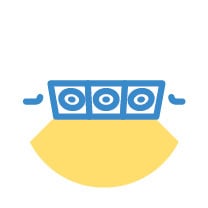
Triple Downlights
Similar to twin downlights, triples contain a row of three lights in a rectangular shape. The lights are usually adjustable which allows you to direct each of the lights onto an area of your choosing. As well as the unique shape, you're also getting three lights in one fitting which is going to produce more light.

Quad or 4 Way Downlights
Available in either square, in a two by two formation or rectangular in one row of four. We don't currently have any quad downlights available on the site but we can get them on request.
Trim Less (plaster-in)
Trimless downlights – also known as plaster-in downlights – offer one of the most minimalist and seamless lighting effects available. Instead of a visible bezel sitting on the surface of the ceiling, these fittings are installed directly into the plasterboard and then skimmed over, creating a clean, architectural finish that blends perfectly into modern interiors.
Unlike traditional recessed downlights, plaster-in fittings don’t rely on bulky trims or bezels. Once installed, all you see is a crisp, shadow-free opening that allows the light to sit naturally within the ceiling. This makes them ideal for luxury homes, contemporary renovations, and any space where a premium, uninterrupted aesthetic is desired.
They’re also practical: lamps can be easily replaced thanks to twist-lock lamp holders, so if the LED ever needs changing, you won’t need to disturb the ceiling or carry out major renovation work. Plaster-in downlights are available in integrated LED, GU10 or MR16 versions, allowing you to choose the right option for your preferred lamp type, dimming system or control method.
To explore our full range of options, take a look at our dedicated plaster-in downlights category.
 Spotlights
The term spotlight is often used to describe recessed downlights or GU10 bulbs. However, a spotlight is a surface mounted light fitting that has one or more lights on it, while a downlight is a recessed light fitting installed into the ceiling. The main difference between a spotlight and a downlight is that spotlights are typically adjustable and mounted on the surface, whereas downlights are fixed and recessed into the ceiling. There are various types of downlight available, such as fixed, adjustable, and different bulb technologies like halogen, LED, and fluorescent, offering more variety compared to spotlights. The correct term for a GU10 bulb is a lamp. Like downlights, you can get spotlights in different variations from singles to quads. They can either have low voltage GU5.3 caps or mains voltage GU10 caps. Low voltage versions are quite rare these days, they may have a transformer built in or you may need to order one separately. GU10 spotlights operate on mains voltage and don’t require a transformer or LED driver.
Spotlights are available with fully integrated LEDs which are also mains voltage. If any of the LEDs fail you would need to replace the entire fitting which isn’t as easy as replacing a downlight. We recommend you choose an LED spotlight with a GU10 cap that takes GU10 LED bulbs. If one of these fails, you can easily replace it.