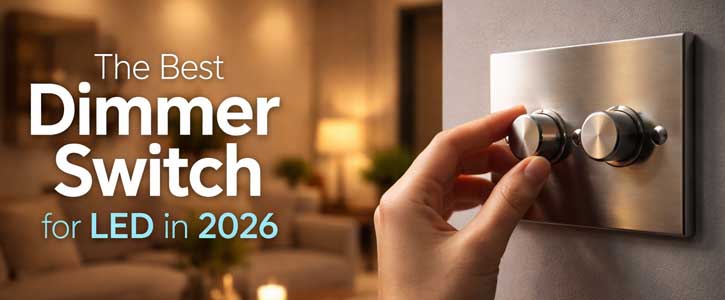
The Best Dimmer Switch for LED in 2026
LEDs are brilliant for efficiency and lifespan — but they can be fussy when you try to dim them. Choose the wrong dimmer and you’ll often see flicker, buzzing, limited dimming range, or LEDs that won’t switch fully off. And in a modern home, the best LED dimmer doesn’t just dim the best… it looks the best too.
- Why LEDs need an LED-compatible dimmer
- Quick picks
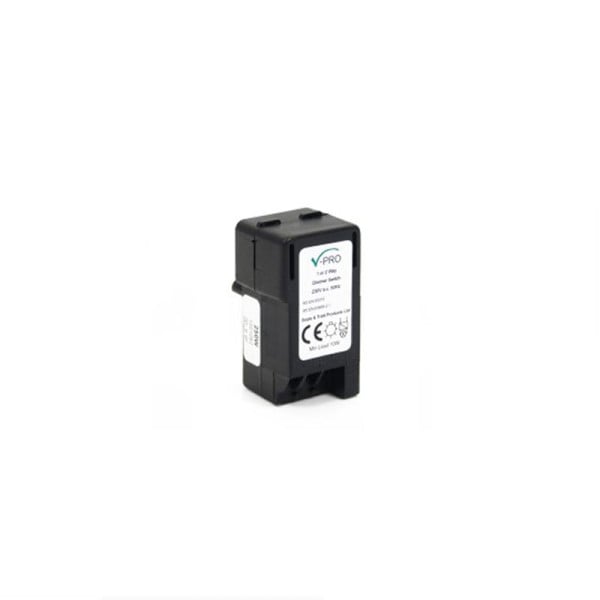
- Varilight V-Pro LED Dimmer Switches
- Varilight V-Pro High Wattage 300W
- Hamilton G2 LED Compatible Dimmer 100W
- Lightwave Smart Dimmer Switches (Gen2)
- Hamilton LEDSTAT Smart Wi-Fi 250W (module + full plate)
- Forum Kinetic Dimmable Decorative Switches
- Multi-way dimming (2-way / 3-way control)
- How to choose the right LED dimmer
- FAQs
Why LEDs need an LED-compatible dimmer
Traditional dimmers were designed for incandescent and halogen bulbs that draw a larger, more predictable load. LEDs use electronic drivers and much lower power, so older dimmers can struggle to “see” the load and control it smoothly. The result is often unstable dimming rather than a clean, gradual fade.
- Flicker (especially at low levels)
- Buzzing from the dimmer or fittings
- Dead travel (nothing happens until halfway)
- Limited range (doesn’t go low enough or cuts out)
- Ghosting (a faint glow when “off”)
Leading edge vs trailing edge (plain English)
- Leading edge dimmers chop the power at the start of each AC cycle. They can suit certain loads, but can be noisier and less forgiving with some LED drivers.
- Trailing edge dimmers chop the power at the end of each cycle. They’re typically quieter and often perform better with low LED loads.
- Multi-mode dimmers (or dimmers with adjustable settings) can be helpful if you’ve got “fussy” LEDs.
Quick picks (2026)
Choose a quality LED dimmer that’s known for compatibility across lots of dimmable LEDs. For most homes, that means a dependable all-rounder, plus a higher-wattage option for larger circuits.
Smart dimmers let you dim and switch from your phone, build scenes, and automate lighting. If you care about convenience (and not always standing up), it’s a genuine upgrade.
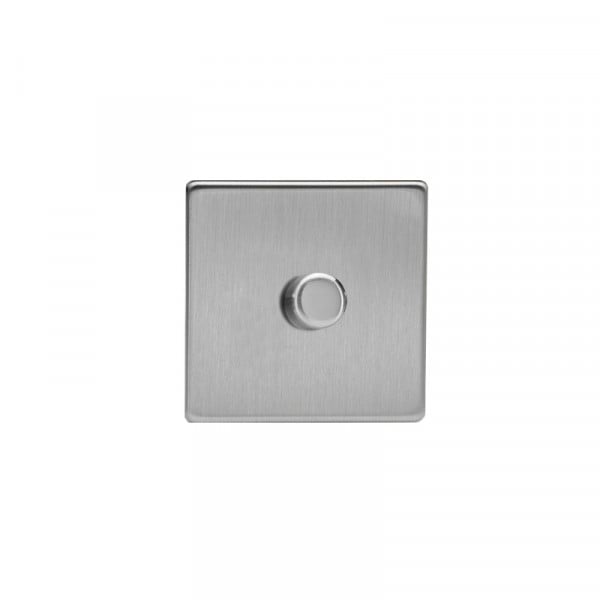
Varilight V-Pro LED Dimmer Switches
Reliable for most households and common dimmable LED setups.

Varilight V-Pro High Wattage 300W
More headroom for larger rooms and multi-downlight circuits.

Hamilton G2 LED Compatible Dimmer 100W
Great feel and lots of matching plate options.

Lightwave Smart Dimmer Switches (Gen2)
App control, scenes and automation for smart home lighting.

Hamilton LEDSTAT Smart Wi-Fi 250W
Smart module option with multi-point dimming support.

Forum Kinetic Dimmable Decorative Switches
Batteryless wall plates with dimming via compatible receivers.
1) Varilight V-Pro LED Dimmer Switches
View Varilight V-Pro LED Dimmer Switches
A strong, sensible choice for most dimmable LED lamps and downlights. The V-Pro approach is popular because it’s built with LED behaviour in mind and can be adjusted to suit different LED loads and driver types.
Pros
- Excellent “fit and forget” option for typical household LED circuits
- Designed to behave well on low LED loads (helpful when you only have a few fittings)
- Adjustable settings can help reduce flicker or buzzing with fussy LEDs
- Plenty of finishes and gang options depending on range/plate style
Cons
- Not always ideal if one dimmer controls a very large number of fittings
- Final results still depend on the LED lamp/driver quality and compatibility
Best for: Bedrooms, lounges, kitchens — most standard rooms where you want reliable dimming without going “smart”.
2) Varilight V-Pro High Wattage 300W
View Varilight V-Pro High Wattage 300W
If you’re dimming a bigger LED circuit (more fittings or higher total wattage), extra headroom can make a real difference. It helps avoid pushing the dimmer near its limit, which is where LED dimming can become unstable.
Pros
- Higher wattage rating gives more breathing space for larger circuits
- Often the better choice for open-plan areas or rooms with lots of downlights
- Can improve stability and consistency compared to running close to a lower rating
Cons
- Overkill (and extra cost) for small circuits
- May need more back-box space depending on your existing setup
Best for: Larger rooms, multi-downlight circuits, or anywhere you’re dimming “a lot of LEDs” from one position.
3) Hamilton G2 LED Compatible Dimmer Switches 100W
View Hamilton G2 LED Compatible Dimmers
A great option when you care about the look and feel of the switch as much as performance. Hamilton’s G2 range is a go-to for premium finishes and a consistent style across a renovation.
Pros
- Excellent for premium interiors and matching plates across multiple rooms
- Designed specifically for LED loads
- Ideal for small-to-medium circuits where you want quality and consistency
- Great for multi-gang plates where aesthetics matter
Cons
- Lower maximum load than high-wattage options (not the best fit for big circuits)
- As with all LED dimmers, results vary by lamp/driver
Best for: Renovations, premium finishes, and rooms where you want everything to match across the property.
4) Lightwave Smart Dimmer Switches (Gen2)
If you want app control, scenes, schedules and automation, Lightwave is a strong smart home route. It’s ideal when you want smart control at the wall — without relying on smart bulbs in every fitting.
Pros
- Smart control: scenes, routines and remote operation
- Great for “movie night” presets and whole-house lighting moods
- Available in multiple gang options for a consistent look
- Works well in multi-location smart setups
Cons
- More setup than a standard dimmer (app/system configuration)
- Smart performance still depends on LED compatibility
- May be more than you need if you only want simple dimming
Best for: Smart homes, busy households, and anyone who wants scenes, schedules and remote control.
5) Hamilton LEDSTAT Smart Wi-Fi 250W (Module + Full Plate)
View Hamilton LEDSTAT Smart Wi-Fi 250W
Hamilton smart dimmers allow you to dim and switch from your phone — in the bath? No problem. Chilling in the living room and don’t want to stand up? No problem.
Designed to blend traditional rotary dimming with modern Wi-Fi control, this range gives you app access, automation potential and multi-point dimming capability — without losing the feel of a proper wall-mounted dimmer.
Module or complete dimmer switch?
These smart dimmers can be ordered as a module or as part of a complete dimmer switch in 1, 2, 3 and 4 gang configurations. The same applies to Varilight’s smart range — giving flexibility whether you’re upgrading a single circuit or redesigning a full plate layout.
Related: Varilight V-Pro Smart Master Wi-Fi Dimmer Module
Pros
- Full smart control via phone
- Multi-way dimming support
- Higher wattage capacity suits larger LED circuits
- Available in matching premium plate finishes
Cons
- More setup than standard dimmers
- Wi-Fi reliability depends on signal strength
- Still requires compatible dimmable LEDs
Best for: Homeowners who want smart lighting control without compromising on premium aesthetics.
6) Forum Kinetic Dimmable Decorative Switches
View Forum Kinetic Dimmable Switches
This option is slightly different. Kinetic switches are decorative wireless wall plates (no batteries required) that operate compatible dimming receivers.
Pros
- No batteries required
- Flexible placement without traditional wiring runs
- Ideal for decorative upgrades or additional switching points
Cons
- Requires compatible receiver units
- Not a direct “swap the old dimmer” solution
- Dimming performance depends on receiver + load compatibility
Best for: Decorative wireless control where flexibility and aesthetics are priorities.
Multi-Way Dimming (2-Way / 3-Way Control)
If you want to control the same lighting circuit from multiple positions — such as a hallway, staircase or large living space — you’ll need a system that supports multi-way dimming. This works in a similar way to an intermediate switch setup but it allows you to switch and dim the same lights from multiple locations.
- Hamilton smart dimmers support multi-point dimming
- Lightwave enables multi-location control through its smart ecosystem
- Varilight V-Pro Smart can achieve multi-way dimming with compatible modules
Always check compatibility before ordering, especially when upgrading an existing 2-way circuit.
How to Choose the Right LED Dimmer
1) Calculate total LED load
Add up the wattage and quantity of all fittings on that circuit, if its rated at 120W, you can load it up to 120W but don't go higher.
2) Keep LED types consistent
Mixing different LED brands or driver types on one dimmer can reduce smoothness. If you need to dim different types of LEDs on the same dimmer, you'll need to consider the Zano range.
3) Decide if you want smart control
If you want automation and app control, go smart. If you want simple reliability, stick with a high-quality LED dimmer.
4) Don’t forget aesthetics
The best dimmer switch for LED lighting doesn’t just dim perfectly — it complements your interior design too.
FAQs
Will any dimmer work with LED lights?
No. Always choose an LED-compatible dimmer to avoid flicker and instability.
Why do my LEDs flicker when dimmed?
This is usually a compatibility issue between the LED driver and the dimmer. Or it could be a low loading issue where the dimmer switch can't detect any wattage on the circuit.
Can I use smart bulbs with a dimmer switch?
Generally no. Smart bulbs expect constant power and control brightness via their own dedicated Apps. Pair smart bulbs with standard switches, or use smart dimmers with non-smart, dimmable LEDs.
How many LED downlights can I run on one dimmer?
It depends on the total wattage and quantity of LED lights on the circuit. The standard Varilight V-Pro is rated at 120W and has a maximum of 10 lights. Always check the dimmer’s maximum LED rating and keep within the maximum loading recommendations.
How do I stop one LED from staying on and glowing faintly?
If one LED lamp glows faintly even when the circuit is switched off, this is usually not a fault with the dimmer. Some LED dimmers do not mechanically isolate the circuit when “off” — they switch electronically. In rare cases, depending on the design of the LED lamp or driver, a very small amount of current can still pass through. Certain LED lamps or LED drivers are sensitive enough that this tiny current can cause a faint glow.
There are two common solutions:
- Install a small LED bypass device such as the Varilight Glowfix LED Load Regulator . This is designed to stabilise the circuit and eliminate ghosting or faint glow issues. It resolves this issue by adding 1W to the circuit which allows the dimmer to detect a load.
- Change the LED lamp to a different manufacturer or model, as driver design varies. Philips lamps are usually the best for dimming but one customer still experienced this issue with 9x 4.9W LEDs on the circuit, so the load regulator is the best option.
Unfortunately, simply changing the dimming mode on the dimmer does not usually resolve this issue.
-
-
 Hamilton LEDstat Intelligent LED Dimmer Module 100W£14.65 Incl. VAT11 In Stock | More Available In Usually 5-7 days
 -
-
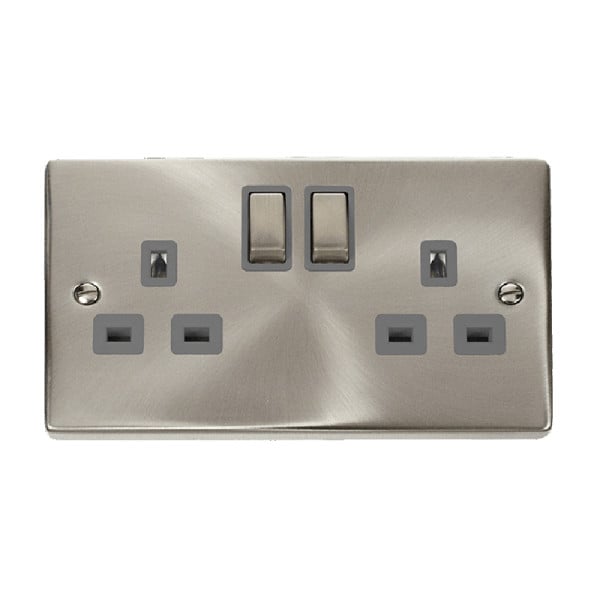 Click Deco 2 Gang 13A DP 'Ingot' Switched Socket Outlet (Twin Earth)Special Price £11.17 Incl. VATOver 100 Variants In Stock
 -
-
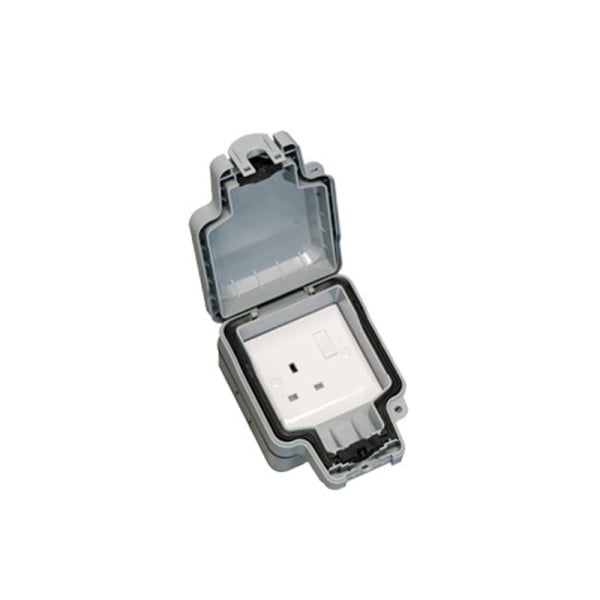 Weatherproof 1G Switched Socket IP66 Hamilton Elemento£10.34 Incl. VAT0 In Stock | More Available In Usually 5-7 days
 -
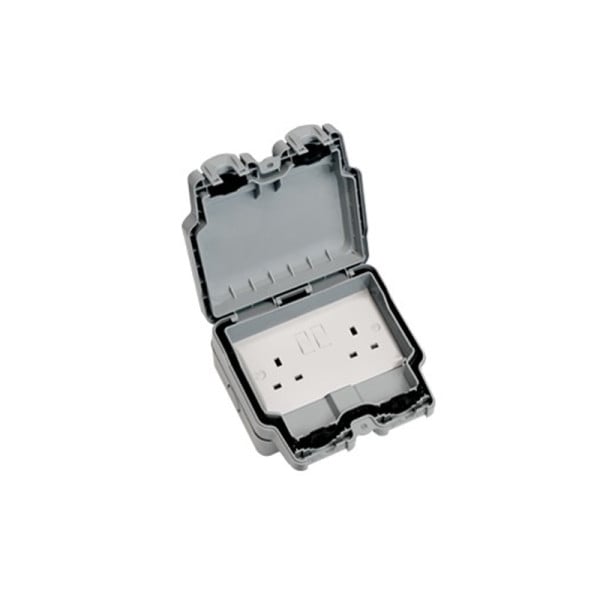 Weatherproof 2G Switched Socket IP66 Hamilton Elemento£13.20 Incl. VAT0 In Stock | More Available In Usually 5-7 days
 -
-
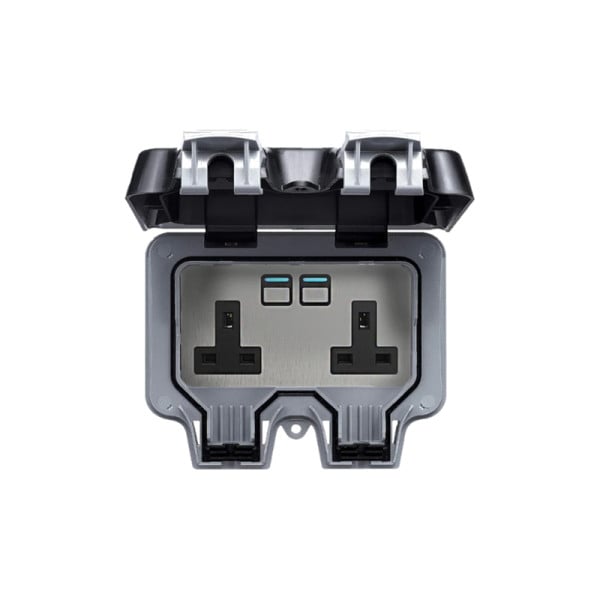 Outdoor Smart Socket IP66 Rated Lightwave£114.96 Incl. VAT1 In Stock | More Available In Usually 3-5 days
 -
-
 Click Deco 1 Gang 10AX Intermediate Ingot SwitchSpecial Price £6.96 Incl. VATOver 100 Variants In Stock
 -
 Click Deco 1G MiniGrid Triple Aperture Unfurnished PlatesSpecial Price £5.59 Incl. VATOver 100 Variants In Stock
 -
-
 Click Deco 1 Gang 13A DP Switched Socket OutletSpecial Price £6.46 Incl. VATOver 100 Variants In Stock
 -
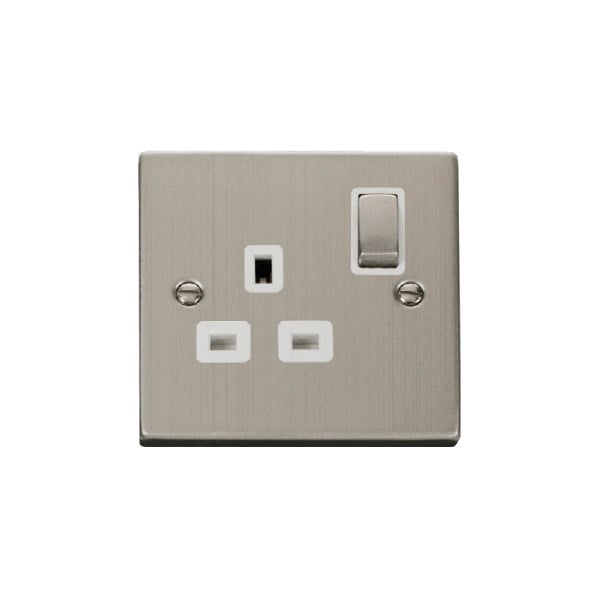 Click Deco 1 Gang 13A DP 'Ingot' Switched Socket OutletSpecial Price £7.04 Incl. VATOver 100 Variants In Stock
 -
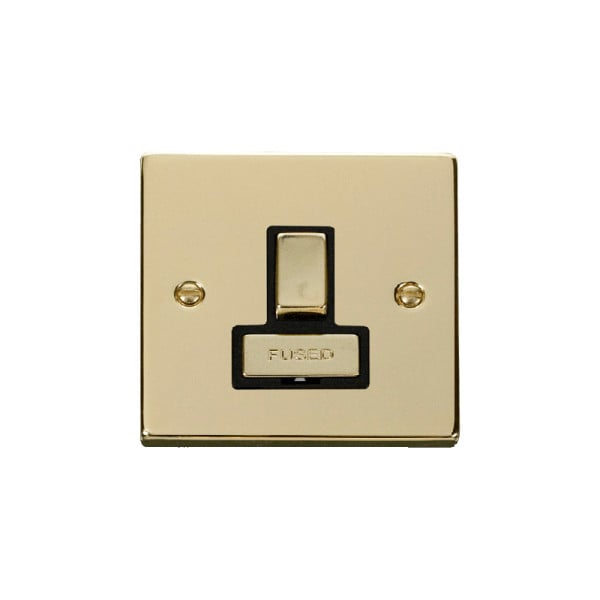 Click Deco 13A Fused 'Ingot' DP Switched Connection UnitSpecial Price £7.57 Incl. VATOver 100 Variants In Stock
 -
-
-
-
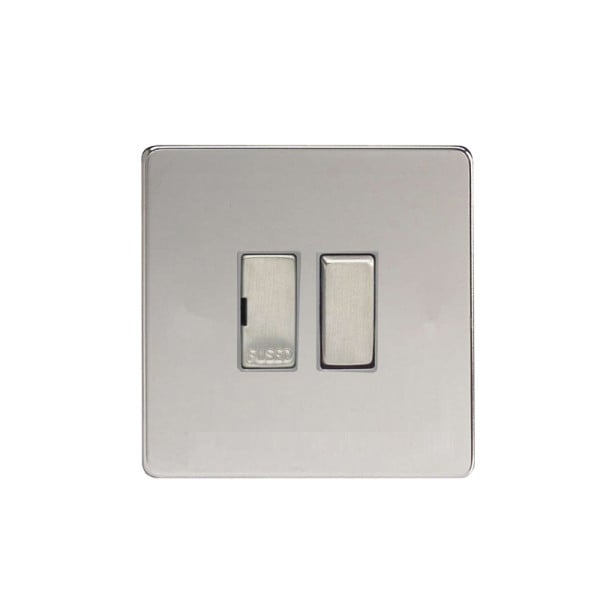 Varilight Screwless Flat Plate Fused SpursSpecial Price £12.96 Incl. VAT0 In Stock | More Available In Usually 5-7 days
 -
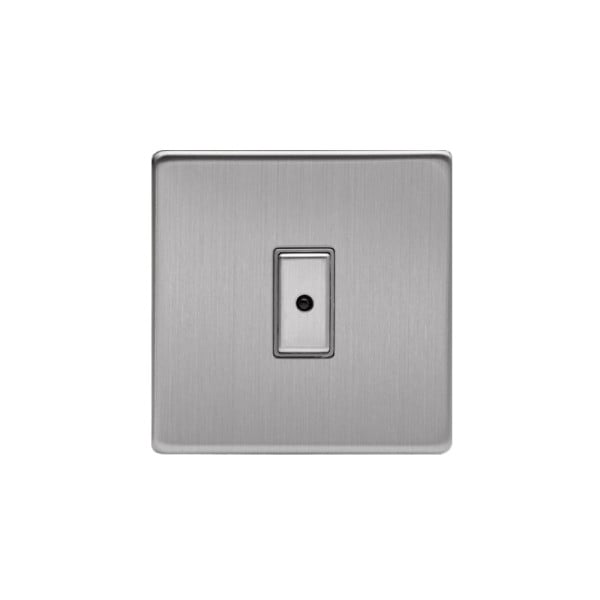 Varilight V-Pro Multi-Point Touch Dimmer SwitchesSpecial Price £24.94 Incl. VAT7 Variants In Stock
 -
-
-